
PEG Ratio Calculator
Calculate the PEG ratio (Price/Earnings to Growth ratio) to identify stocks that are potentially undervalued based on Peter Lynch's investment approach. Lynch recommended buying stocks with a PEG ratio under 1.
Most people think investing means staring at stock charts all day, paying for expensive research tools, or waiting for a financial advisor to tell you what to buy. But Peter Lynch didn’t need any of that. He didn’t work in a glass tower on Wall Street. He didn’t have a team of analysts feeding him data. He just walked around, paid attention, and bought stocks in companies he saw people actually using - at the mall, at the grocery store, even at his kid’s soccer game.
From 1977 to 1990, Lynch managed the Fidelity Magellan Fund and turned $100 million into over $14 billion. His annual return? 29.2%. That’s more than double the S&P 500’s average during the same time. And here’s the wild part: he didn’t do it by guessing. He did it by noticing what was happening right in front of him.
What Peter Lynch Really Meant by ‘Invest in What You Know’
It sounds simple. Too simple, maybe. But Lynch wasn’t talking about buying stock in your favorite coffee shop just because you love their lattes. He meant looking for companies that are quietly growing around you - the ones you see getting busier, the ones your friends keep talking about, the ones that seem to be everywhere but nobody on Wall Street has noticed yet.
Lynch found Taco Bell after watching people line up for tacos at a drive-thru in Boston. He noticed how fast the line moved compared to other fast-food spots. He checked the financials. He saw rising sales, low debt, and strong margins. He bought the stock. Five years later, PepsiCo bought Taco Bell - and investors who held on made ten times their money.
Same story with Hanes. His wife kept buying L’eggs pantyhose. He noticed the packaging was everywhere - in drugstores, supermarkets, even gas stations. He dug into the company’s reports and found consistent earnings growth. He bought the stock. It went up 12x.
That’s the core of his approach: your everyday observations are a competitive advantage. Institutions can’t be everywhere. They don’t shop at local stores. They don’t see which toy store is packed every weekend or which discount retailer is outgrowing its competitors. But you can.
The Six Types of Stocks Peter Lynch Looked For
Lynch didn’t just buy anything that looked popular. He had a system. He categorized stocks into six types, and he knew exactly which ones to chase and which to avoid.
- Fast-Growers: Small companies growing earnings at 20-25% a year. These were his favorites. They were risky, but when they worked, they delivered huge returns - often 10x or more. Think early-stage retailers or niche manufacturers.
- Stalwarts: Big, steady companies like Coca-Cola or Procter & Gamble. They grow slower - 10-12% a year - but they’re reliable. Good for balance, not for home runs.
- Slow-Growers: Mature companies growing at the same rate as the economy (3-5%). Usually pay dividends. Not for aggressive growth.
- Cyclicals: Companies tied to the economy - car makers, steel, construction. Lynch bought these when they were down, like Ford in 1982, and sold when things turned around.
- Turnarounds: Companies in trouble but with a real chance to recover. Chrysler in the early ’80s. Lynch didn’t buy them because they were cheap. He bought them because he believed management could fix things.
- Asset Plays: Companies whose real value was hidden - like owning real estate, patents, or subsidiaries nobody was counting. He looked for stocks trading below the value of their assets.
He didn’t care about the sector. He cared about growth, financial health, and whether the company was getting better - not just popular.
The PEG Ratio: The Secret Weapon
Lynch didn’t rely on the P/E ratio alone. He knew a stock with a 30 P/E could be cheap if earnings were growing 40% a year. That’s where the PEG ratio came in.
PEG = Price-to-Earnings Ratio divided by Earnings Growth Rate.
Lynch’s rule? Buy stocks with a PEG under 1. That means the stock price is lower than its growth rate. For example:
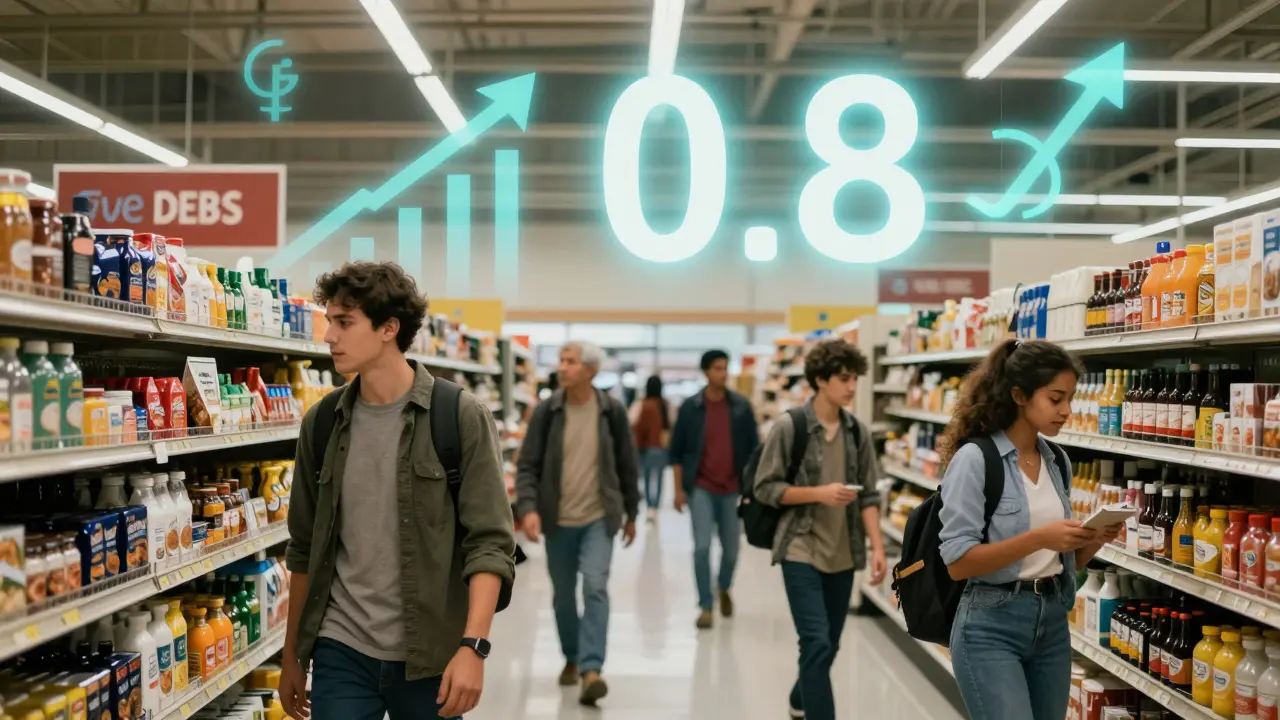
- A company growing earnings at 25% a year with a P/E of 20? PEG = 0.8 → Buy.
- A company growing at 10% with a P/E of 25? PEG = 2.5 → Too expensive.
He didn’t just look at the number. He checked the last five years of earnings to make sure the growth was real - not a one-time spike. He wanted consistent, repeatable growth. He also looked at debt. If a company had a debt-to-equity ratio above 0.5, he walked away. Too risky.
And he didn’t ignore cash flow. He needed companies that were making more cash than they spent on equipment and expansion. If a company was burning cash just to stay alive, it didn’t matter how popular its product was.

How to Apply This Today - A Practical 7-Step Plan
Here’s how you can use Lynch’s method in 2025 - no fancy software needed.
- Observe daily. Spend 10 minutes a day noticing businesses around you. Which grocery store is always full? Which discount store is expanding? Which restaurant has a line out the door? Write them down. Don’t judge yet. Just collect.
- Check the basics. Go to the SEC’s EDGAR database (it’s free). Look up the company’s annual report (10-K). Find these numbers: revenue growth over 5 years (aim for 10%+), gross margin (above industry average by 5%+), and debt-to-equity (below 0.5).
- Compare to competitors. Visit their rivals. Is the store you like cleaner? Faster? Better customer service? Lynch drove to three different auto parts stores before investing in Pep Boys. He wanted to know why customers chose one over the others.
- Calculate the PEG. Use Yahoo Finance or TradingView to get the P/E and estimated earnings growth. Plug it in. If PEG is under 1, it’s worth a closer look.
- Limit your bets. Lynch never put more than 5% of his portfolio in one stock. Even if you’re sure, diversify. Aim for 25-30 stocks. That way, one loser won’t wreck your year.
- Wait. Really wait. Lynch held winning stocks for an average of 4.7 years. Most tenbaggers took 5+ years to hit. If you’re checking your portfolio every day, you’re not doing this right. Patience isn’t optional - it’s the rule.
- Monitor quarterly. Read the earnings call transcripts. Look for changes in margins, new store openings, or signs of trouble. Spend 2-3 hours a month per holding. That’s it.
Why This Still Works - Even in 2025
You might think: “But now everyone has smartphones. Everyone can see what’s trending. Isn’t it too late?”
Actually, no.
Yes, social media spreads ideas fast. But most people don’t go beyond the surface. They buy a stock because they saw a TikTok video saying “Five Below is going to explode!” - and they don’t check the financials. They don’t compare it to Dollar Tree. They don’t look at debt. They don’t wait. That’s where the opportunity still lives.
Today, 47 million U.S. retail investors use some version of Lynch’s approach. Fidelity even built a feature called “Lynch’s Lens” that helps you find local businesses that might be good stocks based on your shopping habits. But the tool doesn’t replace your judgment - it just helps you see what’s already there.
The biggest shift? Time. In Lynch’s day, a hot local brand might take 18-24 months to catch Wall Street’s attention. Now, it’s 6-9 months. That means you have to act faster - but you still need the same discipline. Don’t buy just because it’s trending. Buy because the numbers back it up.
Where It Fails - And How to Avoid the Traps
Lynch didn’t invest in Microsoft or Intel. Why? Because their products weren’t visible in daily life. You didn’t see people walking around with “Windows” signs on their shirts. You didn’t buy chips at the grocery store. So he missed them - and he admitted it.
His method works best in consumer-driven industries: restaurants, retail, home goods, personal care, entertainment. It doesn’t work as well for tech hardware, biotech, or financial services - unless you have deep industry knowledge.
Here are the three biggest mistakes people make:
- Buying because they like the product. A 2022 study found 68% of new investors did this. They loved the cookies, so they bought the cookie company. But if the company has high debt, shrinking margins, and no growth - it’s a trap.
- Getting impatient. 31% of people who tried Lynch’s method gave up within two years. They expected quick wins. Lynch’s biggest winners took five to ten years.
- Ignoring the competition. One Reddit user invested in a local craft store chain because it was popular. But it was privately owned. No public stock. He lost money because he didn’t check if the company was even public.
Fix these by keeping an investment journal. Write down why you’re buying. What’s the growth rate? What’s the debt? What’s the PEG? Then wait six months. If your reasons still hold - hold the stock. If not, sell.
Real Results - From Real People
In 2018, a man in Ohio noticed his local Five Below store was packed every weekend. He checked the financials: revenue up 22% a year, debt low, margins strong. He bought $5,000 worth at $35 a share. By 2021, it was trading at $185. He turned $5,000 into $185,000. That’s a 37x return. He didn’t use a broker. He didn’t have a finance degree. He just paid attention.
Another investor, on a Bogleheads forum, noticed a local chain of discount pharmacies was expanding. He dug into the filings. Found consistent earnings. Bought the stock. Held it for six years. Tripled his money.
Meanwhile, a woman in Texas bought stock in a restaurant chain because her kids loved the pizza. She didn’t check the debt. The company took on too much leverage. Two years later, it filed for bankruptcy. She lost 80%.
That’s the difference between observation and analysis. Lynch did both.
What’s Changed Since Lynch’s Time
Back then, you had to call a broker to get financial reports. Now, you can pull them up in 60 seconds. Back then, you had to drive to a store to count customers. Now, you can use apps like Placer.ai to see foot traffic trends. The tools are better. But the thinking? Still the same.
Today, ESG factors matter more. Many investors now combine Lynch’s approach with sustainability checks - looking at labor practices, carbon footprint, or community impact. That’s not a distraction. It’s an upgrade. A company with strong growth and clean governance is better than one with growth but scandal.
And here’s the quiet truth: passive investing (like index funds) has grown because it’s easy. But easy doesn’t mean better. Over the last decade, investors who followed Lynch’s method - carefully, patiently, with real research - returned 14.2% annually. Index funds? 10.5%.
That gap isn’t huge. But it’s enough to turn $10,000 into $38,000 in 10 years - instead of $27,000.
And that’s the point. You don’t need to be the smartest person in the room. You just need to be the most observant.







Comments
Royce Demolition
December 24, 2025OMG I JUST BOUGHT STOCK IN THAT LOCAL TACO PLACE I ALWAYS HIT AFTER GYM 😍 THEY’VE GOT A LINE OUT THE DOOR EVERY NIGHT AND THEIR TACO BOWLS ARE LIT!! 🌮🔥 I’M SO EXCITED I CAN’T SLEEP. PEG’S UNDER 1, DEBT’S LOW, AND THE OWNER JUST OPENED A SECOND LOCATION!! THIS IS MY TENBAGGER!!
Sabrina de Freitas Rosa
December 24, 2025Ugh, another ‘invest in what you know’ cultist. You think your kid’s soccer mom squad is a financial analyst? 😒 You bought that dumb craft store stock last year and lost everything. And now you’re gonna buy a taco place? Bro, you don’t even know what a balance sheet is. Just put your money in an index fund and stop pretending you’re Peter Lynch. You’re not special. You just like tacos.
Erika French Jade Ross
December 26, 2025lol i tried this last year with that little bubble tea shop downtown 🫖 turned out they were franchised and the parent co was bankrupt. learned the hard way: observation is step one, but the 10-k? that’s the real magic. also, psg is kinda sus if the growth is from one viral tiktok trend. still, love this approach. just… maybe don’t bet the rent money 😅
Geoffrey Trent
December 27, 2025Wow. Another person who thinks reading a 10-K is ‘research.’ You didn’t even mention free cash flow or capex. And you call this ‘practical’? I’ve seen 500 people try this ‘Lynch method’ and 498 of them get wrecked because they ignored debt covenants and EBITDA margins. Also, ‘PEG under 1’? That’s a backtest fantasy. Wall Street’s been pricing growth for decades. You think you’re smarter than quant models? Get a real job.
John Weninger
December 29, 2025Just wanted to say-this post made me feel seen. I’ve been doing this since 2019, buying small local grocery chains in my town. One turned into a 5x return over 6 years. Not because I’m smart, but because I noticed the owner was always outside, talking to customers, fixing the shelves himself. That’s the real edge: people who care. Don’t overcomplicate it. Just watch, read, wait. And hey, if you mess up? That’s okay. We all do. Just write it down and try again. You’re not behind. You’re just getting started.
Write a comment